Achieving Silent Soundstages in Johannesburg

Written by Mpho Ndlovu
Senior Media Engineering Consultant
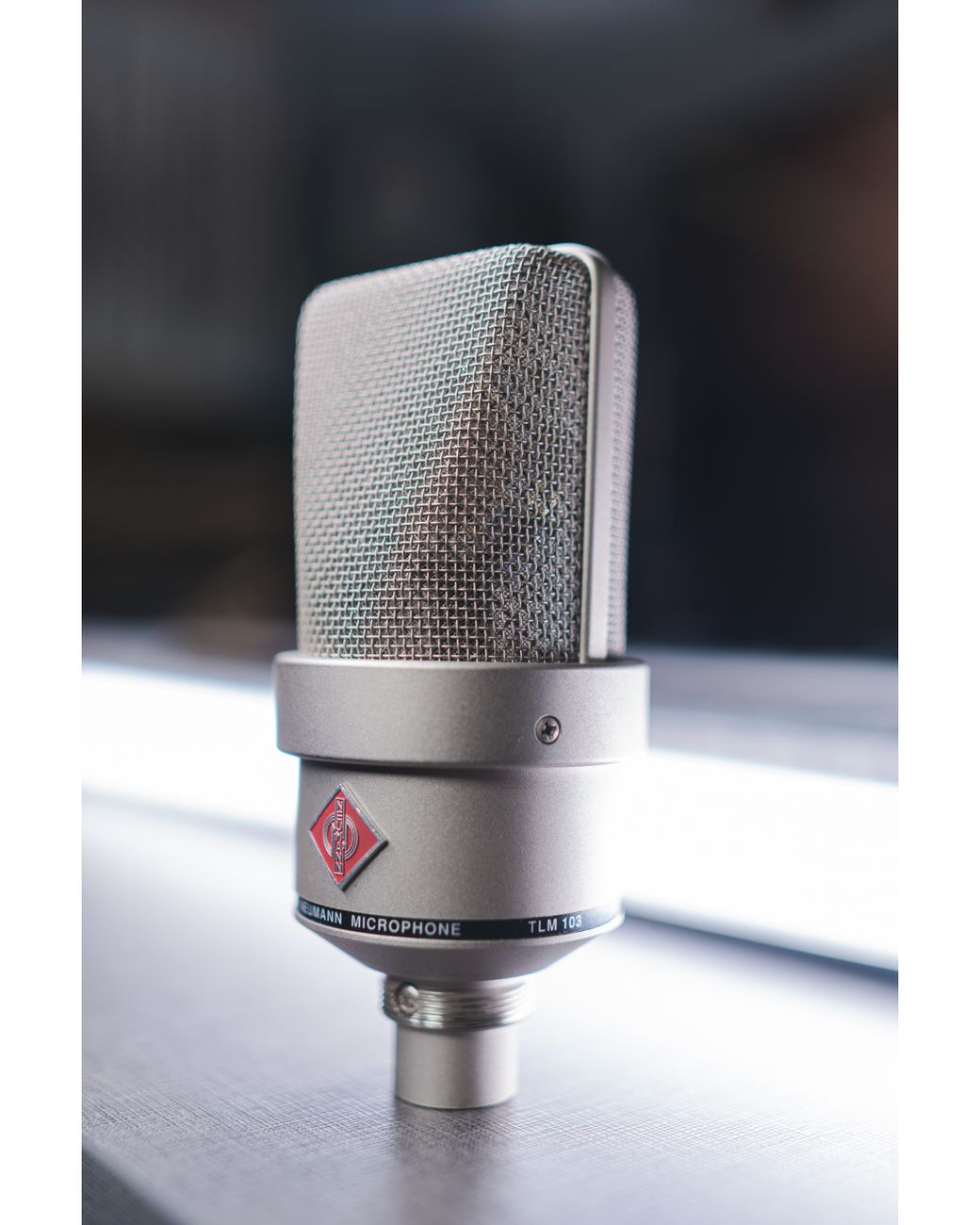
Filming in dense urban environments poses significant acoustic difficulties. Between passing metropolitan transport networks, flight patterns, and heavy climatic storms in Gauteng, uninsulated studios suffer from high ambient noise floor levels. Royal Bridge address this challenge using specialized structural isolation strategies.
We use double-wall gypsum designs separated by acoustic air spaces containing specialized glass mineral wool insulation, reaching a high Sound Transmission Class (STC) rating. This system absorbs low frequencies efficiently, ensuring clean dialogue tracking without requiring extensive post-production cleanups.
1. Decoupled Floors & Floating Ceilings
Vibrations traveling through the earth from heavy vehicle traffic pose a constant threat to high-sensitivity microphones. By decoupling soundstage foundations using dynamic neoprene padding, Royal Bridge structures isolate structural thuds from the live filming area. Additionally, we hang ceiling grids from structural trusses using specialized spring dampeners, eliminating roof-vibration impacts.
2. Silenced HVAC Air Systems
High temperatures in South Africa require consistent cooling on TV sets loaded with strong studio lamps. Traditional air conditioning vents produce a constant background hum that interferes with vocal recordings. Our air distribution pathways use oversized ducting designs coupled with in-line silencers. This keeps high volumes of cold air flowing over the set at incredibly low velocities, achieving a Noise Criteria (NC) rating below NC-20.
These detailed physical treatments keep Royal Bridge as Johannesburg’s leading choice for premium television series, talk-shows, and commercial media releases.
Require a Truly Acoustically Isolated Soundstage?
Let's review your audio requirements and show you how our local facilities can save you time and money during post-production.
Connect with Us Today