The Blueprint for Zero-Latency Live TV Feeds

Written by Sarah Jenkins
Gauteng Broadcast Specialist
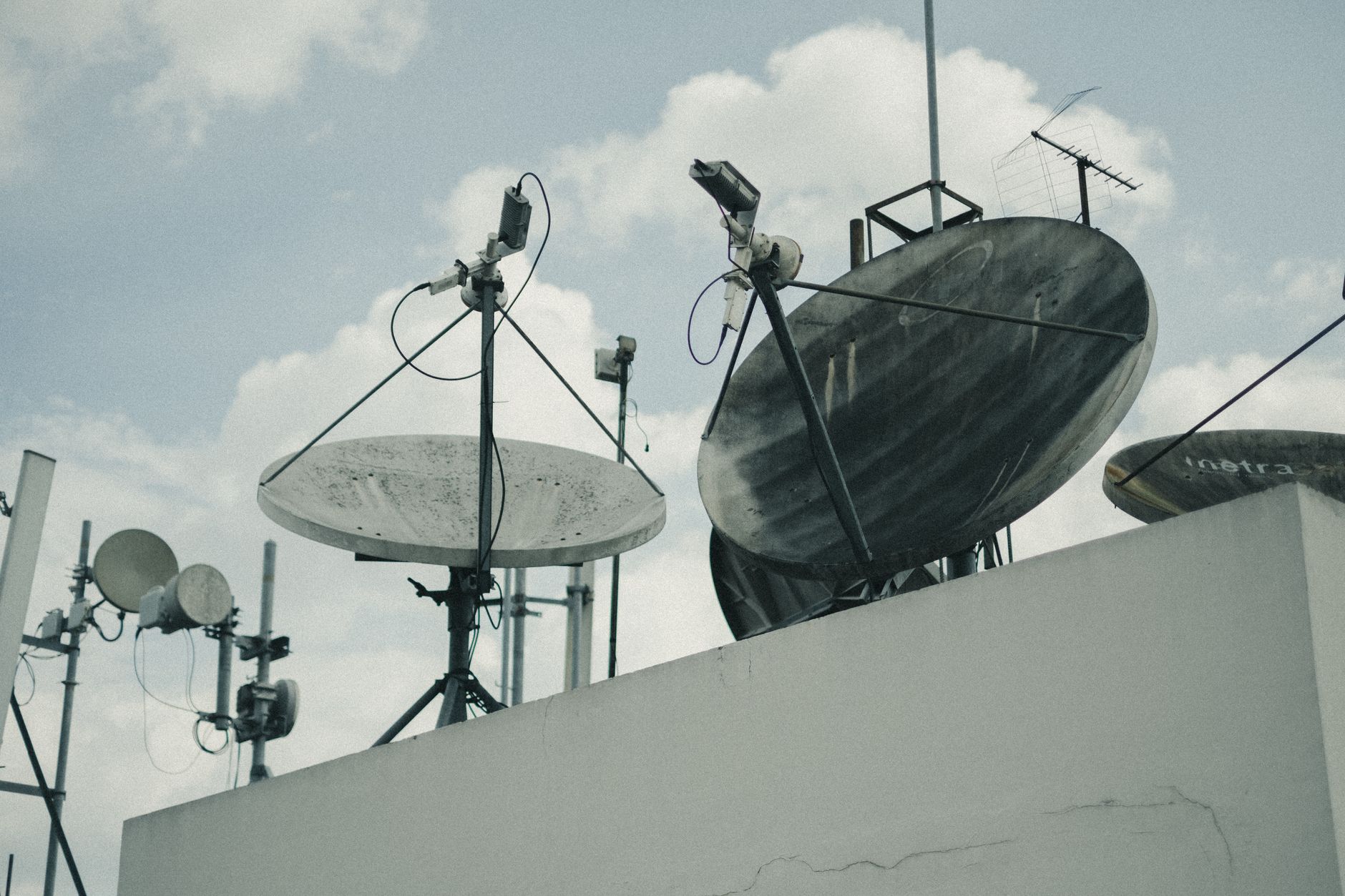
When broadcasting premium live sporting events, breaking news, or competitive television shows, signal delays are unacceptable. A delay of only three seconds can impact consumer engagement. Ensuring zero-latency feeds across multi-format distribution channels requires dedicated, end-to-end media engineering.
At Royal Bridge, we use a hybrid network design that combines fiber-optic pipelines with high-frequency satellite links. This keeps live streams working reliably, even in challenging local conditions.
1. Redundant Power Solutions
Power grid stability in South Africa requires continuous backup plans for professional broadcasters. A single momentary power failure on-set can disrupt transmission codecs, disconnecting thousands of live viewers. Royal Bridge addresses this risk by keeping our main switcher desks and transmitters backed up by automatic, dual-unit industrial diesel generators. When main power drops, the system switches in milliseconds without dropping a single frame.
2. Secure SRT Transmission Systems
The Secure Reliable Transport (SRT) protocol represents the modern standard for reliable digital media streams. It handles jitter and packet loss across unpredictable networks, making sure stream latency remains below 500 milliseconds. We configure our control room systems to use SRT encryption parameters, keeping live feeds clean and safe from third-party interception.
By combining SRT-configured encoders with robust physical infrastructure, Royal Bridge delivers high-end reliability for television networks throughout South Africa.
Preparing a Live Broadcast?
Learn how our stable, backed-up satellite and fiber infrastructure can support your next major production event.
Schedule a Live Demonstration